


Home Care Marketing: Get Clients, Not Applicants
Home care marketing that brings family inquiries: keep caregiver applicants out of your ads, set a cost-per-client ceiling and a starter Google Ads budget.
Auto repair shop marketing that fills bays: Google Ads split by repair type, Local Services Ads, what a new customer may cost and a starter budget.
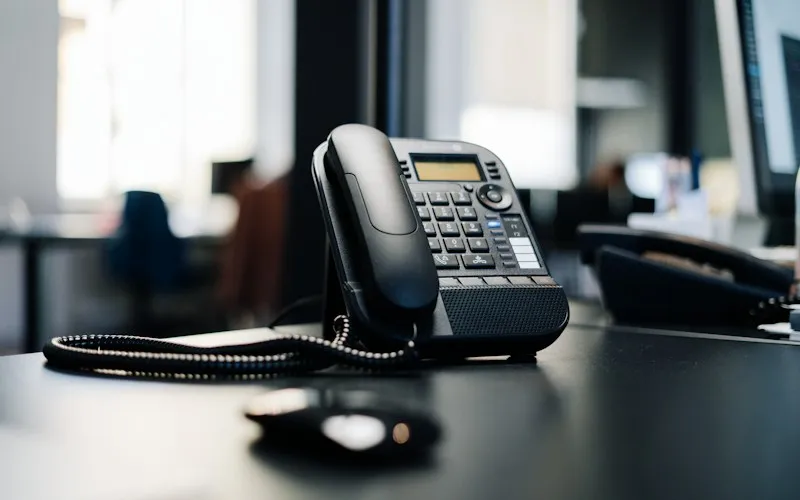
You have two empty bays on a Tuesday, and the phone rings with someone asking if you sell wiper blades. Every shop near you sends postcards, posts on Facebook and buys the same coupon book, and none of it tells you which dollar brought in which car. This guide shows you where a repair shop’s ad money works, what a new customer may cost you, and how to set a first budget you can check against your repair orders.
Most people look for a shop at one of two moments: something broke, or a service is due. When something broke, they search on Google and call one of the first shops they see. When a service is due, they go back to the shop they already know, unless something reminds them of another one.
That gives each channel a different job:
| Channel | Reaches people who | Cost model | Best for | What to watch |
|---|---|---|---|---|
| Google Business Profile | Search for a shop on Google Maps or Search | Free | Every shop, from day one | Reviews, hours, photos, services listed |
| Google Search ads | Type a repair or “mechanic near me” | Per click | Repairs you want more of | Search terms, cost per booked car |
| Local Services Ads | Search “auto repair near me” and similar | Per valid lead | Broad local searches | Lead quality, disputed leads |
| Meta ads (Facebook, Instagram) | Live nearby, aren’t searching yet | Per impression | Seasonal offers, reminders, past customers | Cost per booked car, not likes |
| Email and text reminders | Already came to you | Your time and a tool fee | Repeat visits | Return rate per customer |
Search ads and Local Services Ads catch the broken-car moment. Reminders and Meta work the service-due moment, and keep your name in front of people who’ll need you in three months.
Paid ads send people to your profile, your website and your phone. If any of those leak, you pay for the leak.
Link your Business Profile to Google Ads. Location assets then show your address, a map and the distance to your shop under your ads (Google Ads Help).
A new customer is worth more than the first repair order. If they like you, they come back for the next service. So the ceiling for a new customer comes from the first visit plus what you expect after it.
Work it out once, with your own numbers:
Say, hypothetically, your average repair order is $400 at a 55% gross margin: $220 gross profit per visit. Half your new customers come back once more in the first year, which adds $110. A new customer brings $330 of gross profit in year one, and you’ll spend a quarter of it, about $82, to win one. Six in ten callers book and eight in ten of those show up, so 48% of leads become a car in the bay. You can pay up to about $40 a lead.
For comparison, LocaliQ’s 2026 search benchmarks put the average cost per lead for Automotive Repair, Service & Parts at $29.96, with a $4.35 average cost per click and a 15.51% conversion rate (LocaliQ). Those averages cover parts sellers and service shops of every size, so treat them as a sanity check, not a target. If your own ceiling sits far below them, fix the booking rate or the average order before you raise the budget.
Give each repair type you want more of its own campaign or ad group, with its own page and its own ceiling. A transmission job and an oil change differ in value, urgency and the questions people ask, and one blended campaign spends where leads come cheapest.
| Campaign | Example keywords | Why it’s separate |
|---|---|---|
| Brakes and suspension | brake repair near me, brake pads replacement, squeaking brakes | Frequent, mid-value, urgent |
| Diagnostics | check engine light diagnostic, car diagnostic near me | Starts larger jobs |
| Transmission and engine | transmission repair, transmission shop near me | High value, fewer searches |
| AC and heating | car ac repair, ac recharge near me | Seasonal: raise it before summer |
| General repair | auto repair near me, mechanic near me | Broad: needs the tightest negatives |
| Brand | your shop’s name | Keeps returning customers out of the other campaigns’ numbers |
Oil changes and state inspections bring cars in, but the first ticket is small. Run them only when your numbers show those customers come back for repairs, and give them a low ceiling of their own.
Three settings decide where the money goes:
Car owners search for a lot of things a shop doesn’t sell. Add these as negative keywords from day one, then read the search terms report every week:
Check every negative against your own offer before you add it. If you advertise a free brake check, “free” can’t be a negative. An orthodontic practice’s account we audited had blocked six of its eight target towns, and “free” although its ads promised a free consultation; we removed 21 self-blocking negative keywords in one pass. Source: Octomize project. The same mistake costs a repair shop its own town names and its own offer.
Local Services Ads (LSA) are Google’s pay-per-lead listings at the top of local searches. In the US, Google lists Auto Repair Shop, Auto Body Shop, Brake Shop, Oil Change Service, Tire Shop and Transmission Shop among the eligible categories. The Google Verified badge isn’t available for auto categories at the moment, so your listing runs without it (Local Services Help).
You pay for valid leads, such as calls and messages, not for clicks. Google doesn’t charge for leads it judges invalid, and it may credit charged leads later if they turn out to be low quality (Local Services Help). Our Local Services Ads guide covers when a missed call counts as a charged lead and how to set the weekly budget.
LSA is moving into Google Ads as a Performance Max campaign with pay-per-lead goals. The first phase in August 2026 named home services such as plumbing, HVAC and roofing, and the remaining categories move by 2027 (Google Ads Help). Auto repair wasn’t named, so expect your LSA budget to land in the same account as Search later.
LSA gives you no keyword list and no landing page. Use it for the broad “auto repair near me” searches and keep Search for the repair types you want most. Compare the two on cost per booked car, not cost per lead.
People don’t scroll Facebook looking for a mechanic. Meta ads work when you give a reason to book now, or a reminder to people who know you:
Send Meta clicks to a booking page with open slots, not to your home page. Our guide to what Facebook ads cost works out a monthly budget from your cost per lead.
Start from the cars you can take, not from a round number. Using the hypothetical $40 lead ceiling and 48% lead-to-car rate from above:
| Monthly budget | Leads at $40 | New cars at 48% | Fits a shop that |
|---|---|---|---|
| $750 | about 19 | about 9 | Wants to test one repair type |
| $1,500 | about 37 | about 18 | Has two or three repair types to fill |
| $3,000 | about 75 | about 36 | Has spare bays every day and a booked service desk |
If your leads come in under $40, the same budget buys more cars. Our Google Ads budget tool runs this sum with your own numbers. The help page on whether $1,000 a month is enough for Google Ads shows how to narrow a small budget to one service and one area.
Hold the budget steady for at least four weeks before you judge it, and raise it only for the repair types that stay under their ceiling.
We’d start with the Business Profile, call tracking and one or two Search campaigns for the repairs the shop wants more of, plus LSA if the category is live in its area. We’d judge them on booked repair orders, matched to calls from the shop’s own records, and we’d move the budget toward the repair type with the lowest cost per booked car. That’s how our Google Ads management starts for a local business.
We wouldn’t run Performance Max or Display for a single shop before Search has proven its cost per car. We wouldn’t buy oil-change leads at a loss unless the shop’s records show those customers come back. And we wouldn’t report clicks or calls as results: a call that doesn’t book a car is a cost.
Week one
Month one
Month three
| Mistake | What it costs | Fix |
|---|---|---|
| One campaign for every repair | Budget drifts to cheap, low-value searches | One campaign per repair type you want |
| Ads running when nobody answers | Paid calls go to voicemail | Ad schedule matched to phone hours |
| “Presence or interest” location setting | Clicks from people who won’t drive to you | Presence only, tight area |
| Counting every call | Wrong numbers and sales pitches look like customers | Minimum call length, match calls to orders |
| Negatives that block your own offer | Your best searches never show the ad | Check negatives against your ads and town names |
| Judging on cost per click | Cheap clicks, empty bays | Cost per booked car |
If you’d like a second pair of eyes on a shop’s Google Ads or Local Services Ads before you raise the budget, see how we run Google Ads for local lead generation or book a call.
Set the budget from the cars you can take and the most a new customer may cost you, not from a share of revenue. Multiply the leads you need by your cost-per-lead ceiling, then hold that budget for a month before judging it.
Yes, when the campaigns target repairs people search for near your shop, run while someone answers the phone, and get judged on booked repair orders. Split campaigns by repair type and exclude DIY and parts searches from the start.
Not at the moment. Google says the Google Verified badge is unavailable for auto categories, though Auto Repair Shop and related categories can still run Local Services Ads in the US (Local Services Help).
Fill in your Google Business Profile, ask every happy customer for a review the same day, text past customers when their next service is due, and run one Search campaign for the repair you most want more of.
See it in practice
An orthodontic practice expanded its Google Ads to eight nearby towns, then kept getting the same small number of leads. Our audit found why: its own negative keywords blocked searches in six of those towns, plus the words in its own offer. We removed the blocks in one pass.
Source: Google Ads, client account, our audit and change log, Aug–Sep 2026
Related articles
Home care marketing that brings family inquiries: keep caregiver applicants out of your ads, set a cost-per-client ceiling and a starter Google Ads budget.
Shopify advertising for a small store: what to set up first, Google Shopping or Meta first, a starter budget from your margin, and checks each month.
How much do Facebook ads cost? 2026 click and lead prices by industry, Instagram vs Facebook, boosting, and how to set a monthly budget from your numbers.
We use cookies for analytics and advertising. You can opt out of the sale or sharing of your data at any time.Cookie Policy
Your browser's Global Privacy Control signal is on, so we don't share your data for advertising.